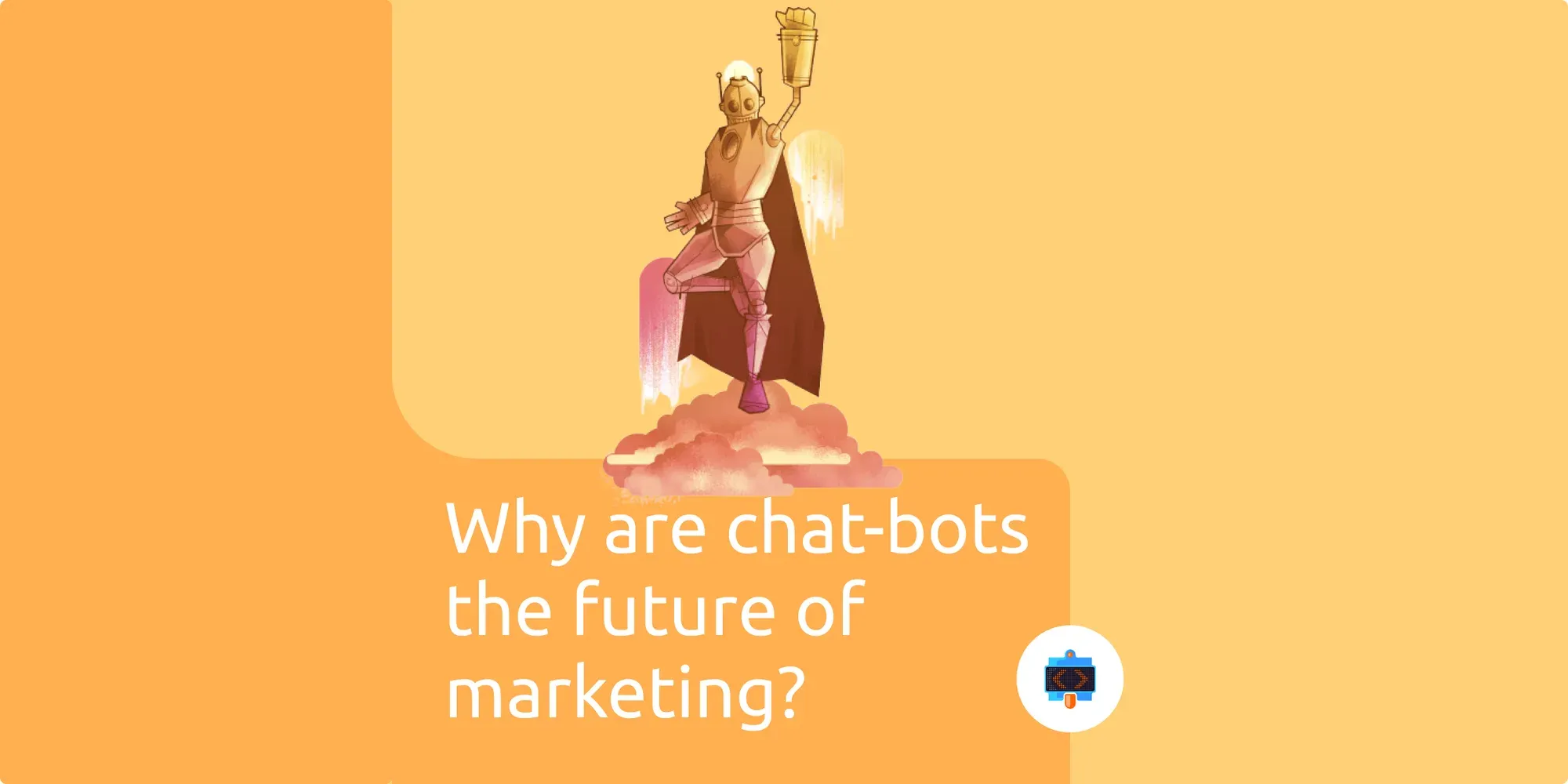
There is a bleak, forgotten landscape in the not-too-distant future.
Civilization is absent. Channels of communication are silent. All the people have fled, terrorized by endless notifications and messages. What could have caused such desolation?
Bad bots.
Perhaps this sounds too much like another superhero blockbuster. But it wouldn't be the first time brands abused the new technology until people were buried up to their ears in spam.
You've probably heard: Bots are the future. In fact, if you're pondering today whether your business should create a bot, you're asking the wrong question. Commerce with bots is our future.
But that doesn't mean we can't screw it up.
Marketers have a terrible habit of grabbing the flickering new channels of communication and burning them to the ground. It all starts with a sense of panic. Our audience is constantly shrinking and the competition is ever increasing - and yet we have to meet our monthly goals. So we create more content, send out more messages, cross our fingers...
And when the blue ocean channel opens, we rush forward, oblivious to why people sailed there.
They say that those who can't remember the past are doomed to repeat it. The marketer, the business leader, the entrepreneur - messaging will be the next great marketing channel. But will you copy and paste your old strategies and repeat the same mistakes?
In the age of bots, the decision is yours...
To use this power for good or for evil.
What is a bot?
There's no need to get complicated. A bot is nothing more than a computer program that automates certain tasks, usually communicating with the user through a conversational interface.
The most advanced bots are equipped with artificial intelligence that helps them understand complex queries, personalize responses, and improve interaction over time. This technology is still in its infancy, so most bots follow a set of rules programmed by a human using a bot creation platform. It's as simple as making a list of "if-then" statements and writing ready-made answers, often without having to know even a line of code.
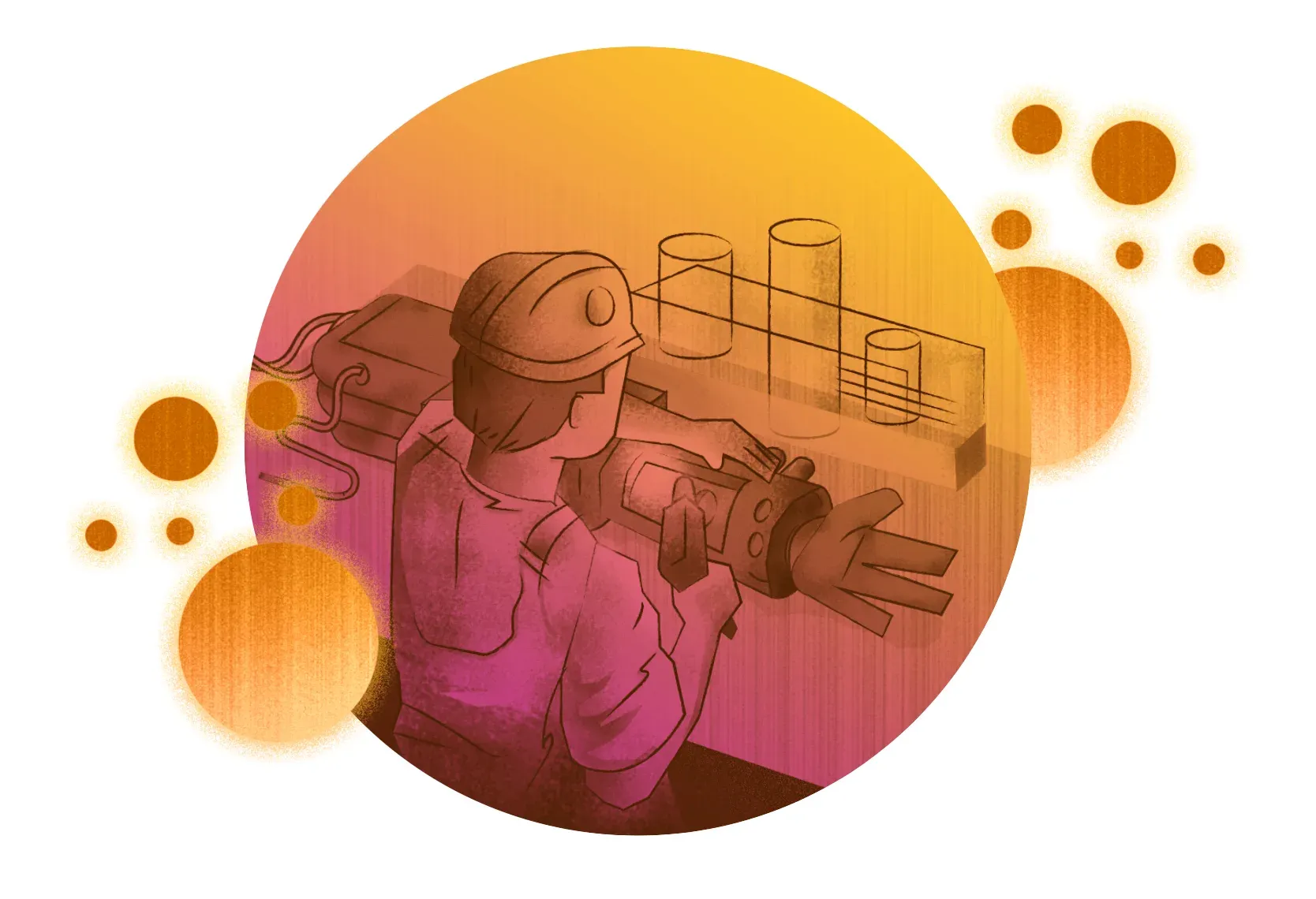
Let's say you want to buy a new charger for your robot suit from your favorite superhero product store. You could visit their website, scroll through 20 or 30 pages of products, fill out a form with shipping and payment information, and so on. But if you had a bot, you'd just tell it .
...and it would walk you through the best options and place your order. Behind the curtain, the bot would walk you through a series of dependent questions to gather the necessary information to understand your intentions, and then provide the right content to meet your needs.
This is the superpower of bots.
They perform their task from start to finish where you already spend your time: in messaging apps. Whether it's Telegram, Facebook Messenger, WhatsApp, WeChat or Viber, bots integrate into these apps and can communicate with you.
In other words, bots solve the problem we hated about apps in the first place. You don't have to download something you'll never use. They say most people limit themselves to five apps. So what are those holy places? They are increasingly claimed by messaging apps. Today, messaging apps have more than 5 billion monthly active users, and for the first time people are using them more than social media.
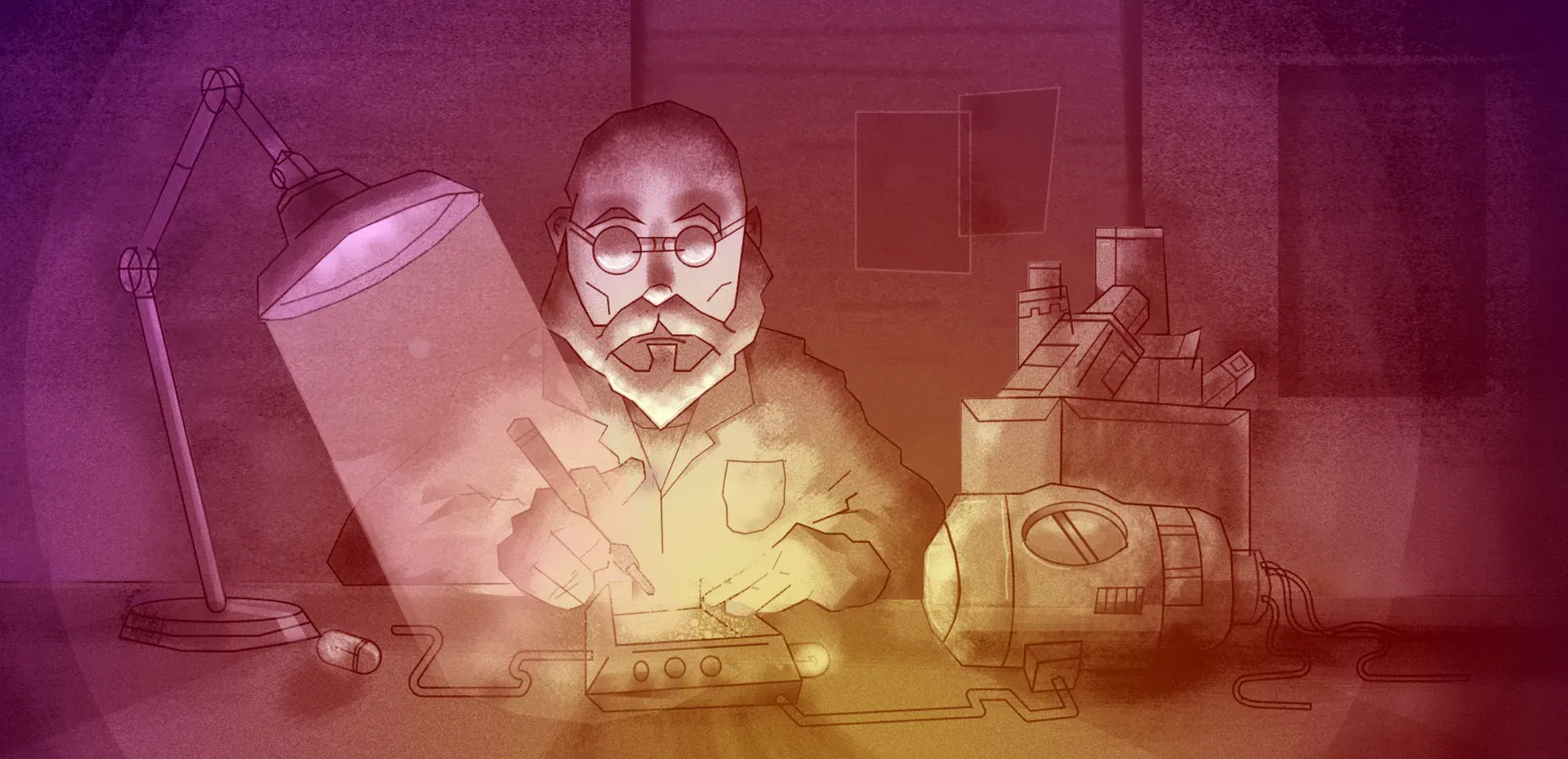
All of this is part of a larger change that we are seeing in consumer behavior.
When people are looking for information, they want it as quickly as possible, and as technology advances, they are increasingly resorting to voice search. Mailboxes are becoming increasingly cluttered, so consumers are moving to social media to follow brands they're really interested in. Ultimately, they now have control - the ability to opt out, block and abandon any brand that cheats their trust.
But if you can provide real value in the places where they already spend their time, things will change. All any customer wants is the most direct line between their problem and the solution.
In the future, such a line will be a bot.
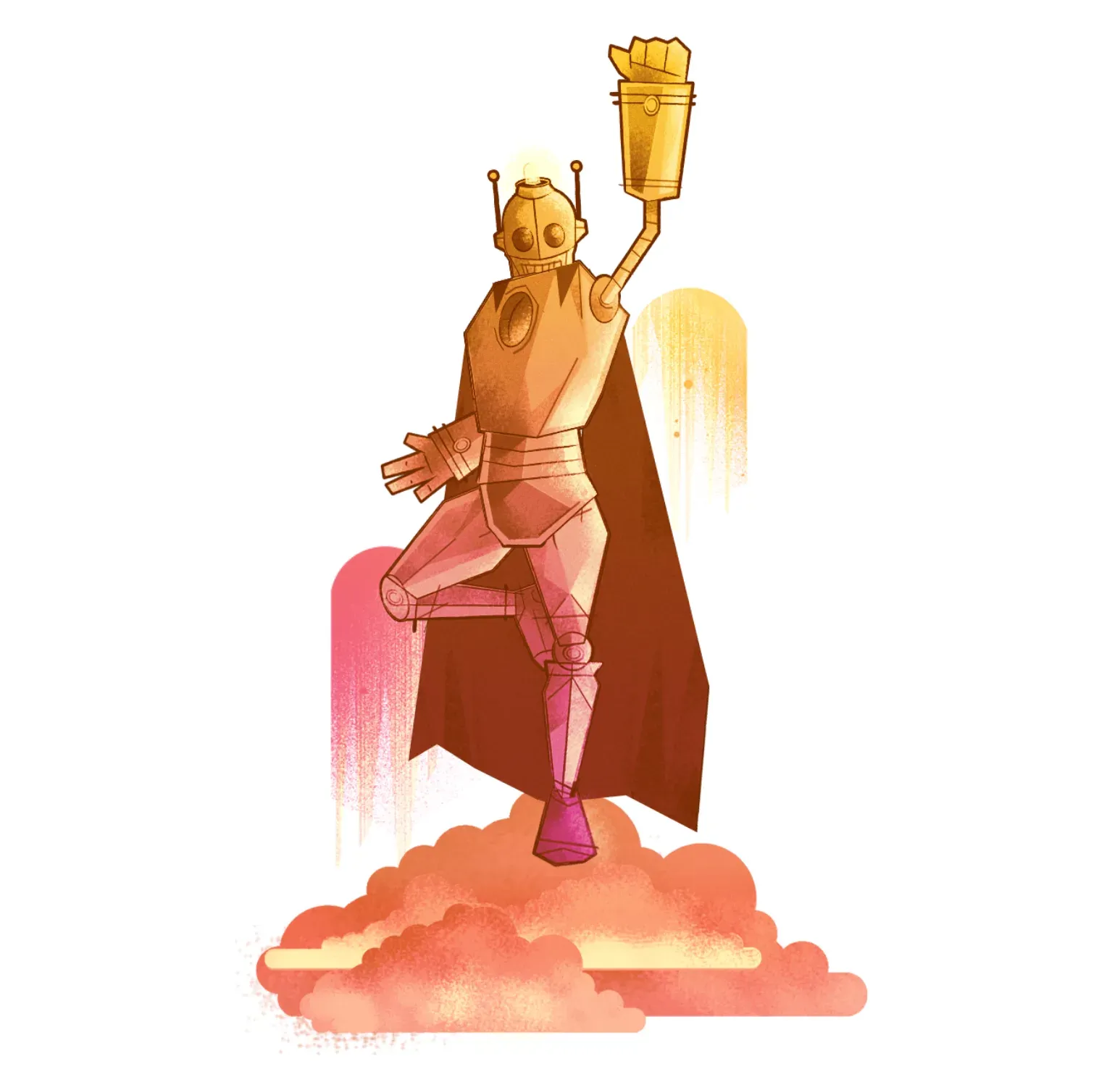
With messengers, bots help consumers find solutions no matter where they are or what device they're using-no forms, cluttered inboxes, or wasted minutes searching and scrolling through content. Communication, service and transactions are intertwined. And unlike the self-serving marketing of the past, bots provide a service.
Being useful is the priority.
At least, it should be.
It all started out so well.
After years of destructive advertising, spam emails and cold calls, content marketing was heralded as a way to build relationships based on trust - marketing that people could love.
But the more content we created, the less we liked it. And we were inundating people with emails to make sure we racked up the right amount of views and conversions. Somehow, making one purchase meant that brands got permission to email you every day from then on until infinity.
You see, marketers don't have the best experience with new communication channels. And it's not hard to see that we're destroying bots the same way we're destroying content and email.
You may have subscribed to your favorite publication, but you're bombarded with 10 notifications a day. Or you want to find a restaurant recommendation in Moscow for next week's trip.
It's a double-edged sword of messaging. Bots provide a scalable way to interact with customers one-on-one. But they fail when they don't provide the same effective and enjoyable experience as the complex, layered conversations people are used to having with other people in messaging apps.
Too often bots don't have a clear purpose, don't understand the context of the conversation, or forget what they said two bubbles later. Worse, they don't make it clear that it's a bot, leaving no opportunity to transfer the conversation to a human.
This time our terrible marketing hits much closer to home. When you were spamming someone's email, at least there was technology to filter out the noise. But as bots function in messaging apps, you're invading and polluting a historically personal space. They will unsubscribe from your bot without a second thought.
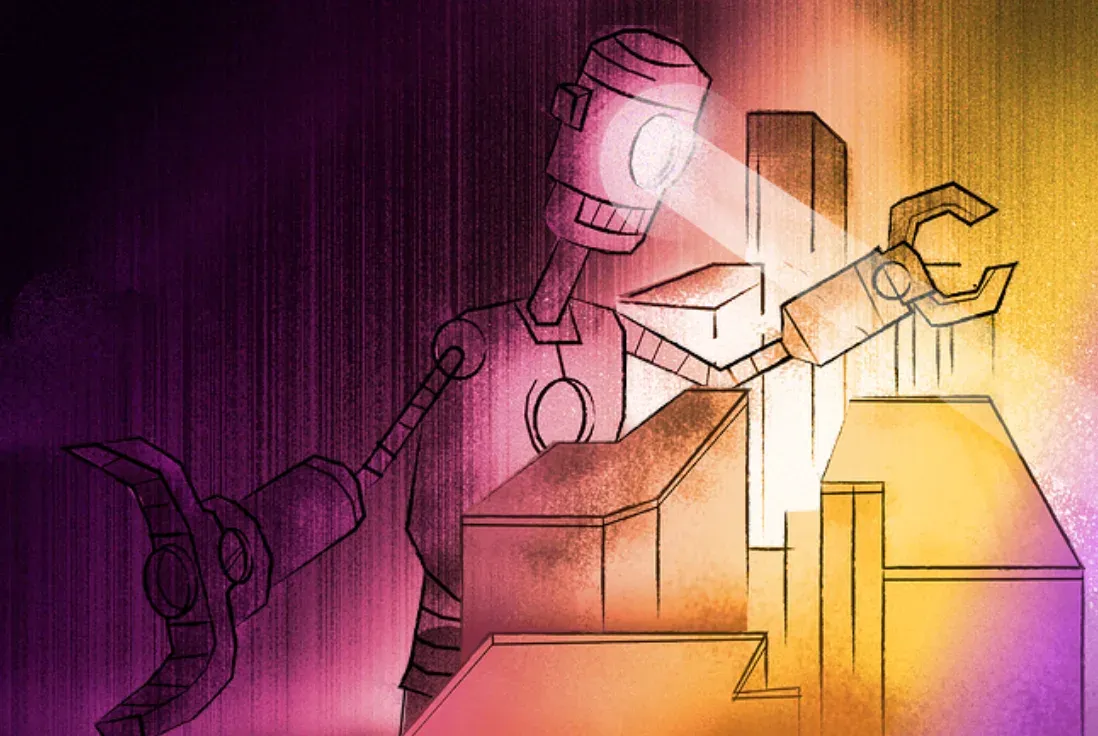
The stakes are high for proper messaging.
Think about why someone turns to a bot in the first place. According to a HubSpot study, of the 71% of people willing to use messaging apps to get help, many do so because they want to solve their problem quickly. And if you've ever used (or perhaps berated) Siri, you know that machines are much less likely to make mistakes.
Creating a bot is not a technical task.
It's conversational. Your job is to understand how your audience is already interacting with your brand. Then use the chat interface in a way that maximizes impact with a minimum of trivia.
Yes, witty banter is a plus. But the ultimate goal of the bot is to provide a service that people actually want to use. As long as you think of your bot as just another communication channel, your attention will be misdirected. The best bots take the micro-solutions that consumers encounter on a daily basis and see them as an opportunity to help. Whether it's a booking adjustment, an order delivery update, or a medical consultation, bots offer a solution when people need it most.
Before you get into the technical aspects, let's define a framework for creating a bot that your customer will want to use. No bot should do everything. Instead, it should stick to one function and do it incredibly well.
In general, bots can be divided into two categories: information bots and utility bots.
Informational bots provide users with a new format for consuming content. For example, you can subscribe to alerts about the latest news based on your reading habits.
A useful bot solves the user's problem, whatever it may be. The most obvious example is a shopping bot, such as a bot that helps you order flowers or buy a new jacket. But useful bots aren't limited to making purchases. A helpful bot can automatically book appointments by scanning your emails, or notify you of payments you've forgotten.
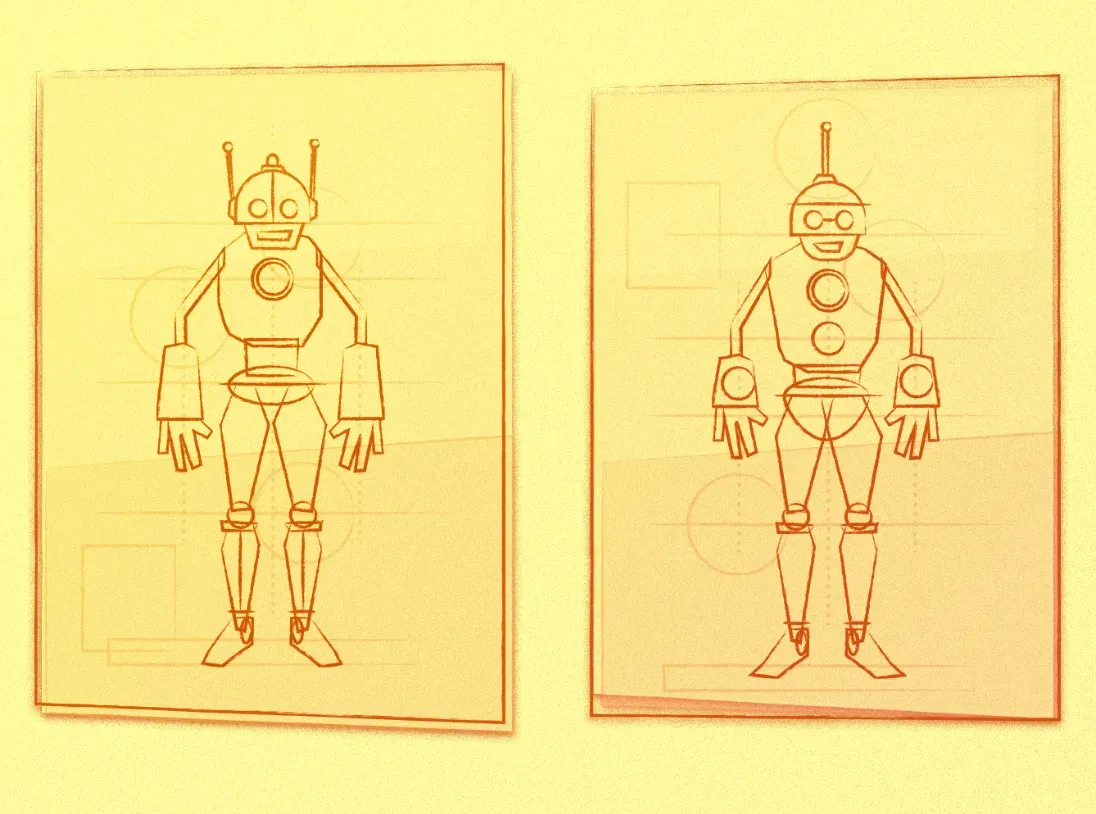
The success of WeChat in China shows that these bots are the future. Without leaving the messaging app, users can hail a cab, video chat with a friend, order food at a restaurant and book their next vacation. In fact, WeChat has become so firmly embedded in society that without its integration, businesses would be considered obsolete. People who divide their lives between China and the West complain that leaving this world is like going back in time.
Regardless of the function of your bot, the key is the user request note. Messages should always be a continuation of a previous conversation or behavior trigger. No questionable subscriptions, no bulk messages. Bots differ from email in that the angle should always be ...

They give the user exactly what he is looking for.
And nothing more.
Communicating with the bot should be like talking to someone who knows everything. If you use a bot to change a flight reservation, the bot should know whether you usually choose an aisle seat or a window seat. Artificial intelligence will continue to radically change this field, but the bot should be connected to your current systems so that a shared contact record can facilitate personalization.
Respect the conversational UI. Full interaction should happen within the app. The goal is to recognize the user's intent and provide the right content with minimal user input. Every question asked should bring the user closer to the answer they need. If you need so much information that you're playing a game of 20 questions, switch to a form and provide content in a different way.
Start with a leading question that identifies the single most important variable. Then use follow-up questions-and, to minimize friction, choice buttons-to get the context you need and focus on the solution.
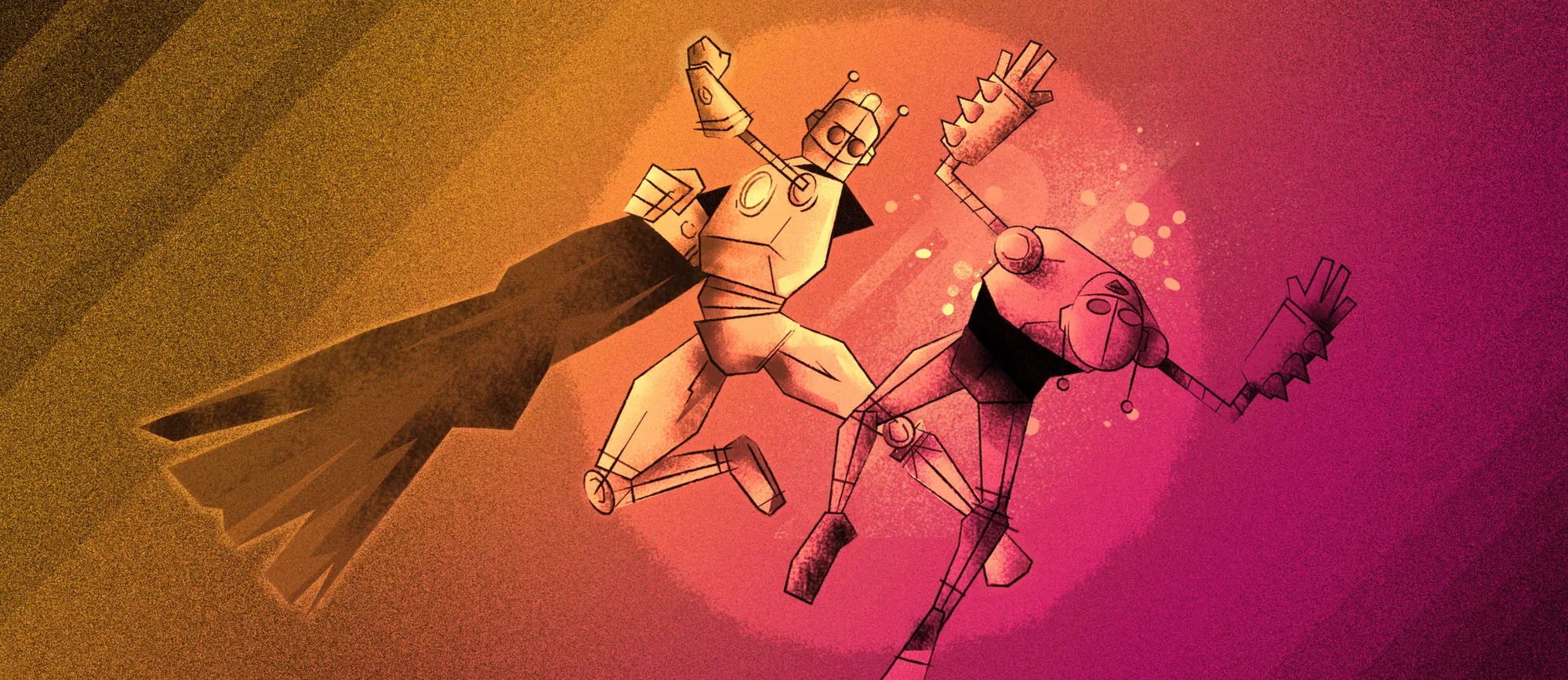
Creating a comprehensive conversation flow diagram will seem like the hardest part of the process, but know that this is only the beginning. It's the commitment to refinement and improvement in the months and years that follow that makes the bot great. As Clara de Soto, co-founder of Reply.ai, told VentureBeat, "You never just 'create a bot,' but launch a 'conversational strategy' that is constantly evolving and optimizing based on how users interact with it."
In the greatest stories, the line between good and evil is often quite gray.
It is not one wrong step that leads the hero into the lair of the enemy. It is a series of small decisions, one after another, that lead the hero farther and farther away from his original mission. They take their power--one they knew was meant for good--and abuse it for selfish, short-term gain.
Let this not be a story for the bots.
You can't downplay what bots can do. For brands and consumers alike, we have a chance to fix communication and commerce. Research will become user-friendly, shopping will become streamlined, and service will become personalized.
But just as easily we can turn bots from helpful to disruptive, from desirable to unwanted.
Don't miss this opportunity. By their very nature, bots offer a radically new reality. Bots are designed to be useful. For the first time, they encourage one-on-one conversations between brands and consumers.
This is the beginnings of a marketer's dream: a world where brands can build authentic relationships with their customers, and customers can learn to trust brands again.
If we choose the right path...
bots can be the best thing that can still happen to marketing.